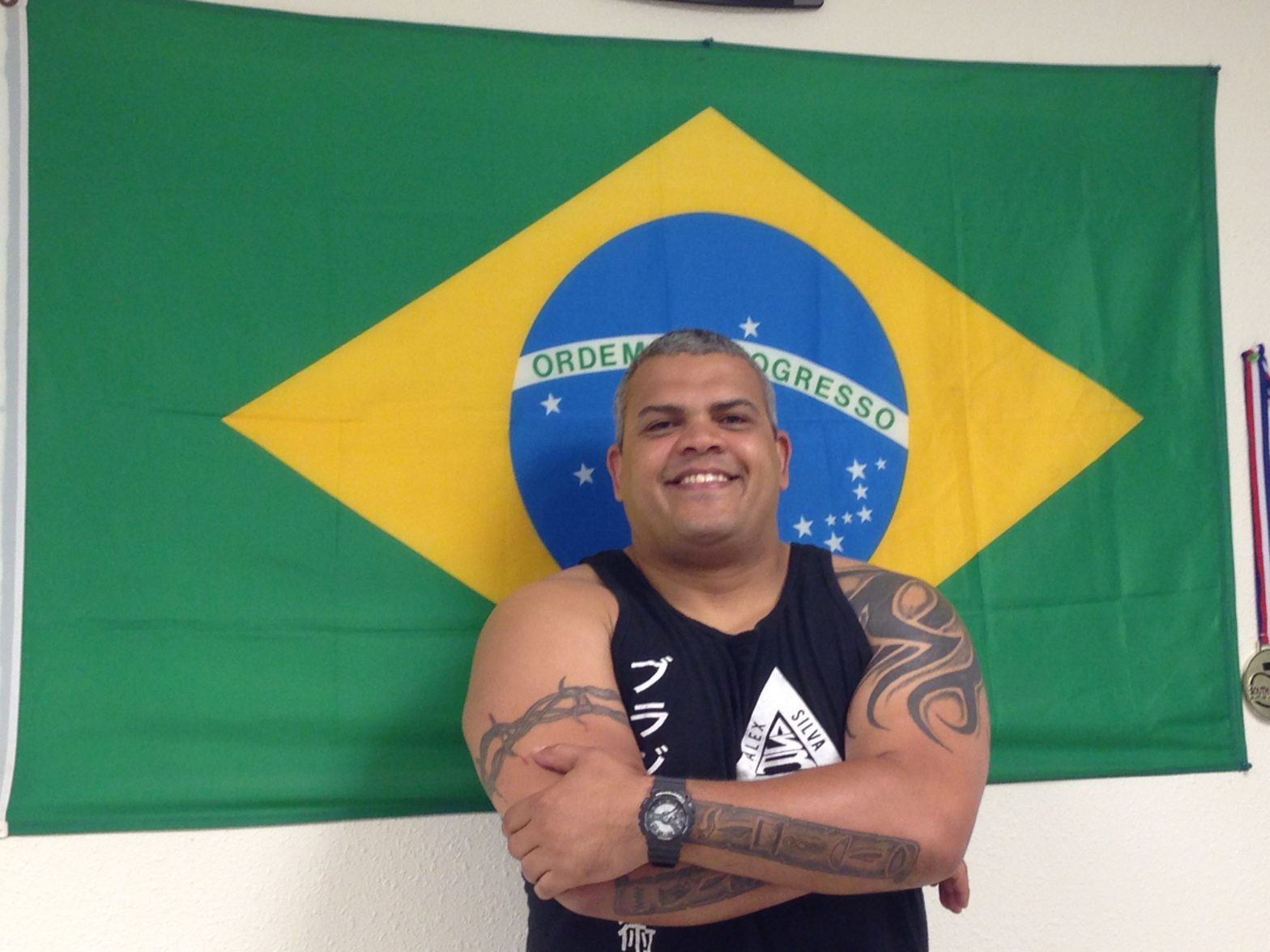

Although the United States participation in the World Cup ended in a 2-1 loss this week, people around the world are still tuned in to watch the biggest tournament in soccer. However, beyond the glamour and roar of the soccer stadiums, there is a darker side of Brazil. With the Brazilian government having spent an estimated $14 billion to host the games, residents of Brazil’s infamous favelas, or ghettos, are feeling slighted by their own government in favor of a sporting event only benefitting foreign tourists. In fact, RioonWatch—a community reporting website based in Rio de Janeiro—reports large scale strikes happening as early as 2011. Alex Ruas, a local gym owner and Mixed Martial Arts instructor, knows what life is like in a favela lacking basic necessities such as electricity and running water. Even though Ruas left Brazil in 1996, he still periodically visits his homeland and understands the plight of those protesting the World Cup. “We had no power,” Ruas recalled. “We had no Health Department. We had to be able to dispose of garbage over the hill. The situation is not very clean. A lot of kids die from malnutrition in Brazil.” Adding to the growing discontent in the favelas, the Brazilian government also forced many residents to move out of their homes in order to make way for new infrastructure, lodging, and stadiums designed for both the World Cup and the 2016 Summer Olympics. Statistics vary on exactly how many residents have been displaced; with reports from saying as many as 170,000 people throughout Brazil have been evicted since 2009. The government does offer a sort of reimbursement, but many residents claim that these settlements are worth a fraction of the value of the house. “They (the government) come in and make you an offer on your house,” Ruas said. “You only have so many days to leave. They don’t really offer you, they force you to take the bribery, per say. And I have a couple of people that I knew personally that had to move to a worse area in Brazil because they tried to clean up Rio de Janeiro so it can be a tourists’ playground.” These protests are unique as they aren’t confined to the slums of the inner-city. Vice News reported for the first time in recent history, many college-educated Brazilians are taking to the streets to protest budget cuts to schools and hospitals to make way for World Cup funding. For Ruas, this matter is personal. “My mother passed away because the hospitals over there neglected to check her heart. This is because the money that was going toward the hospitals in that country is now going to the World Cup,” he said. Even after the World Cup ends, Brazilians will still be taking to the streets to protest the 2016 Summer Olympics, which will reportedly be the most expensive in history. Even though Brazil is arguably the most soccer-fanatic country in the world, Ruas says its people are fed up with the growing problem of government corruption, over-spending, and lack of sympathy for the poorest and most vulnerable citizens. Brazilians are hopeful these protests will be a wakeup call both for Brazil and for the rest of the world. Ruas, however, is skeptical. “Let’s be honest. We have a very selective memory. Until a revolution happens, Brazil will never change. With this dictatorship, somebody’s got to suffer.”
This article originally appeared on Santa Rosa Press Gazette: The darker side of Brazil