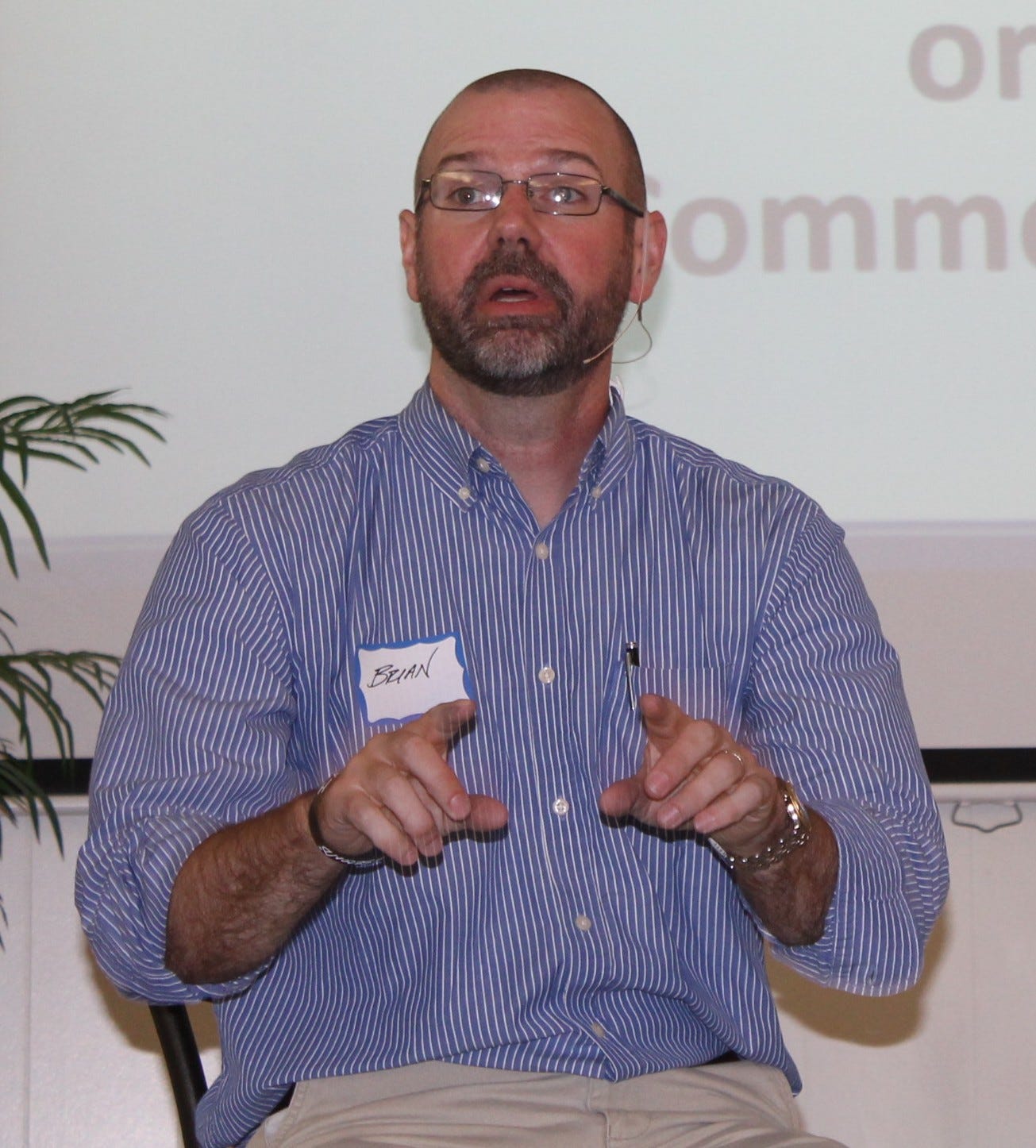

Ferris Hill Baptist Church, in Milton, saw filled pews plus a few extra tables of guests Monday evening, but not for an expressly religious service. Ferris Hill Pastor Brian Nall opened the meeting in prayer, but its purpose was to explore the possibility of Santa Rosa County churches and faith organizations taking steps to meet the transportation needs of the county. When church vehicles are not busy bringing parishioners Sundays or Wednesdays to church gatherings, they could be serving Santa Rosa County residents by taking them to doctor’s appointments or work.
While Nall hosted, Shawn Ward, Santa Rosa County’s transportation planning director, opened the meeting as he has in past meetings with first going over the existing programs in the county like the Transportation Disadvantaged program, Vets To VA, and the RideOn program.
Ward also covered the transportation service the county ran from 2010 to 2012 before the SRC Board of County Commissioners at the time voted to discontinue the program. This happened, he said, only a few months before Bridges Out Of Poverty formed. For a year, Bridges has pushed for a return of public transportation to the county after discovering the lack thereof is the biggest barrier to getting out of poverty.
Nall addressed a few main concerns from the audience including insurance, the parameters of the multi-church partnership, and cost. As this idea is in its infancy, the majority of Nall’s talk asked questions and gave examples of possible models. He suggested following his own church’s ministry motto: “Let’s do it right. Let’s start it small. Let’s grow it strong.”
Insurance was the number one concern. Nall said, “We have the county attorney researching liability issues.” He suggested attendees investigate their church’s insurance policies and talk to the companies. He said insurance companies rarely grant policies for transportation vehicles save for two groups: military and churches. While he said the liability could be daunting, especially with various churches having widely varying policies, he did ask, “Who is in charge of your ministry? God or your insurance company?” He encouraged churches not to let insurance companies decide if they participate but said, “We do want to move forward in a fitting and orderly way.”
Complicating the insurance issue was how the service would organize. He said insurance companies could see churches operating a transportation service together and say the vehicles are not falling under church use guidelines.
Nall said churches may not even use their vehicles if they have any. If anybody wants to use their personal vehicle, it would entail new challenges. Insurance again would matter as well as determining how many people would operate the vehicle.
Moving forward, Nall said he and the others involved would have to review the questions raised at the meeting and come back with how best to answer them. He said the process could simply start in Milton to get the ball rolling.
Messiness, Nall also pointed out as a very real concern some people may have with transporting others.
“It can be messy on the bus. This ministry can be messy. Your vehicle could get a stain, could get a scratch or dent. People might throw up. You may say you don’t want your things messed up, but let me say this. Aren’t you glad Jesus didn’t say ‘I want to stay comfortable and not get messed up?’ We know there’s going to be some mess. We’re messy people in am messy world. We know that going in, but it’s a joy…The reason you have a custodian at your church is because people and they’re messing it up but that’s a good thing.”
Speaking after the meeting, Nall said even if the county resumes public transportation, there would still be a niche for the faith-based transportation to continue since the routes used in previous years don’t take passengers everywhere in the county.
This article originally appeared on Santa Rosa Press Gazette: Faith community investigates transportation