
The victims of Ramon Wade Renfro who accompanied him camping in Chumuckla in February of last year likely thought they were safe. He brought a group of teen boys and girls on the trip, according to reports, and with the weakening power of alcohol, sexually assaulted three underage girls by the end and tattooed two of them. July 10, a Santa Rosa County jury found Renfro guilty of several sexual offenses. Sentencing is scheduled for August 13. The unusual facet of this crime garnered more headlines than others, but his crimes were only a few among many in Santa Rosa County.
According to the Santa Rosa County Sheriff’s Office, recent statistics indicate within the last two years the Sheriff’s Office took 464 reports of sexual offenses, 274 of those involving juvenile victims. Deputy Rich Aloy, SRSO Public Information Officer said, “We have more than twice the number of offenses involving juvenile victims versus adult victims. That is typically expected as most victims can be and usually are juveniles.” As of Tuesday, Santa Rosa County has 301 registered sex offenders, according to the Florida Department of Law Enforcement (FDLE) with 221 of those living in Milton alone. For further perspective, www.city-data.com reports Milton having 39 residents per sex offender and Jay with 31. Pensacola lists 71. The FDLE differentiates an offender from a predator by noting a predator has been convicted of a sexually violent offense and has a written court order designating the individual as a predator.
Renfro had the trust of the teens in his care. Offenses against women, and especially children, come from those closest to them. Recent stories describe victims being close to their offenders before assaulted, in their care. Some victims are stuck travelling from home to home with their offenders and take time to express their deep troubles.
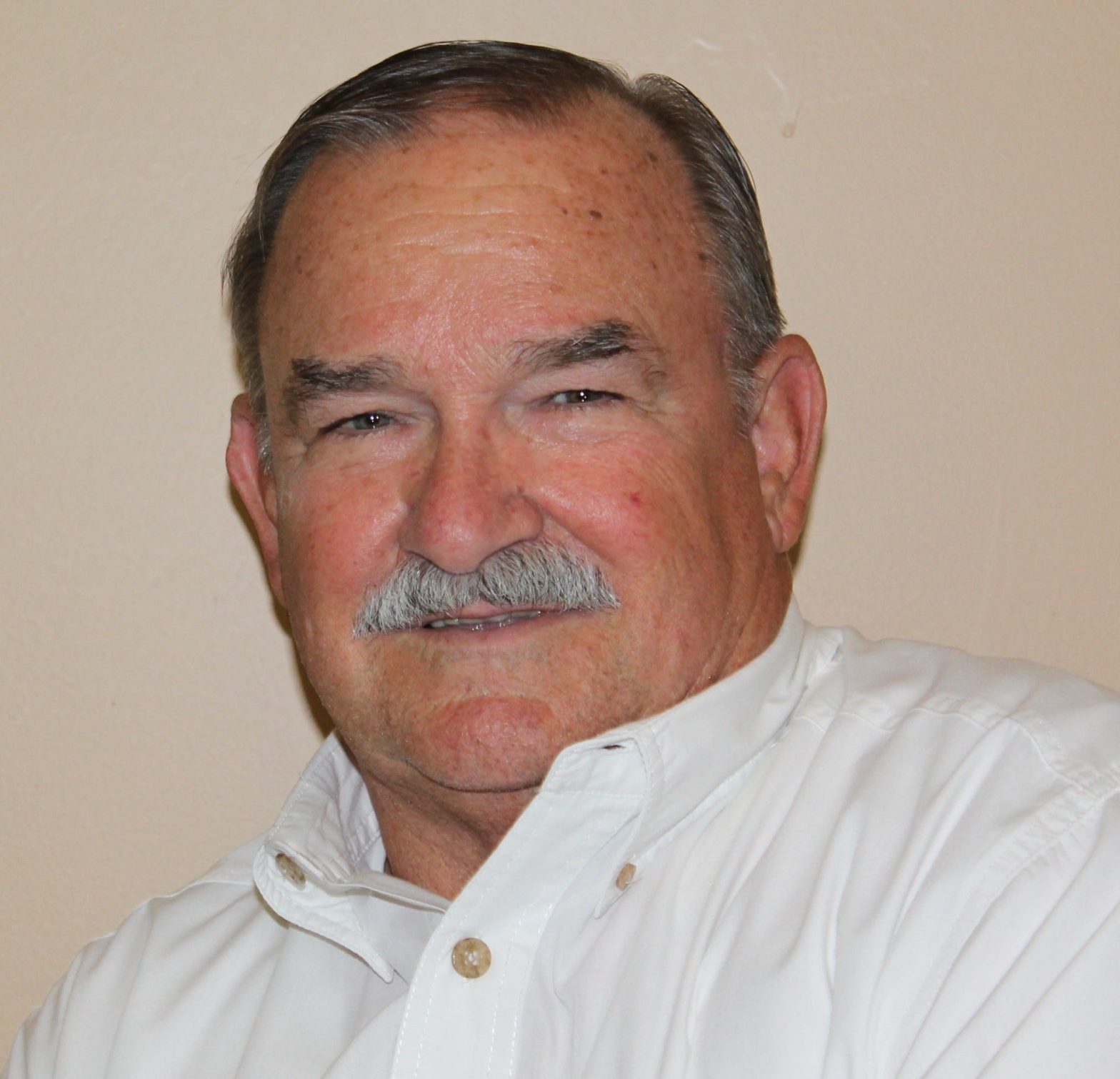
August 1, retired Pensacola Chief of Police, and lead investigator of the Ted Bundy case, Norman Chapman, sat down to give his perspective on one of the biggest serial killers and sexual predators in the last 50 years. Bundy, like many other offenders, appeared charming and trustworthy by all accounts.
Chapman, a Vietnam veteran and Santa Rosa County resident of 46 years said his time in war and discharge from his wound had a direct relationship to going into law enforcement. Chapman made a promise to make his life count if he survived. Chapman said, “Every day is Christmas since crawling out of a ditch in Vietnam. Nobody could intimidate me,” an attitude critical in dealing with Bundy.
While married to his wife Helen, Chapman pursued higher education eventually earning his master’s degree in police administration in June of 1977. He said he was moving from crimes against property to crimes against persons in 1978 when Pensacola Police Officer David Lee made the most important stop in his career. Lee chased what he found was a stolen car from Oscar’s Restaurant on West Cervantes Street to U Street and Cross Street. After an assault on Lee, Bundy told him, “You’ll make sergeant off this,” according to Chapman.
Chapman said the assault brought him into the investigation. He said, “Bundy was different than the others. I knew I needed to spend more time with him.” He would go on to spend over a decade following Bundy’s trial, testifying in Lake City and Miami. The number of Bundy’s victims varied, but Chapman said Bundy admitted to 37 murders. Chapman said he would go after girls who appeared either 19 or 12 years old. He said if Bundy missed on getting the older, he’d go after the younger.
The first striking thing about Bundy, Chapman said, was he found him asleep in his cell, despite stolen vehicle and assault on a police officer charges. Chapman said someone who can sleep with such charges have likely faced much worse. Chapman said everything Bundy did had the aim in mind of taking victims or getting away. Chapman said Bundy used a VW Bug because of its gas mileage. “If the cargo is damaged,” Bundy told Chapman, “I can lay the seat back.” Bundy learned to jump hurdles in case he’d have to get over a fence in a chase, according to Chapman. Bundy even flushed out a peeping tom in a neighborhood where he was living so the authorities wouldn’t get close to him, Chapman said. He’d feign damage to his own vehicle or claim he was an officer or authority figure to gain trust, Chapman said. “Every waking moment, he hid his identity and kept his fantasy going,” Chapman said. However, Chapman said fulfilling his fantasies was his undoing. He said Bundy compulsively filled his gas tank after his attacks, which created a paper trail, especially effective when he used stolen credit cards.
The time spent with Bundy over several interviews, Chapman said, gave him the psychological make-up of a true sex offender. Chapman said he discovered if he listened to their problems, offenders would often open up about their crimes. He said another predator would ask victims if they knew his niece, Lisa Green. According to Chapman, the predator said he always used different names, but the victims all reported the same one.
Chapman said he told Bundy his primary motivation in speaking with Bundy was to learn how to prevent other “Bundies” from surfacing. According to Chapman, Bundy said he shouldn’t let him back into society. The relationship Chapman had with Bundy built over time with divine intervention, Chapman said.
Now, when speaking to youth, Chapman said he tells them to guard their thoughts. “Everything starts there,” he said. “You need to pay attention to what you see and do. Some things you can’t erase. Know where you are at all times. You might do something unimportant now that may affect your entire life,” Chapman said. Bundy’s fantasies started with Playboy magazines but eventually turned much darker, according to Chapman. “Think seriously about what you do that’s not wholesome and be aware of how we affect others,” he said.
Chapman had his own list of what to look for in possible cases of abuse with children, as well. “If a child starts acting out of character, find out why. If they stop talking or they’re being fearful of certain people, show a lack of interest in school work, it might be nothing but it might be the result of another person. Talk with them through casual conversation. Find out their problems.”
Bundy was very charismatic, by all accounts. People had no idea, Chapman said. He said he was always on guard with Bundy. “He was very deceitful.” In a last ditch effort, on Bundy’s last appeal in 1988, his defense attorneys asked Chapman to testify. Chapman declined to do so. Ted Bundy was executed January 24, 1989 by the electric chair for the 1978 rape and murder of Lake City victim, 12-year-old Kimberly Leach.
This article originally appeared on Santa Rosa Press Gazette: Bundy investigator shares views on recent crimes in SRC